Creator Community Operations
TikTok comment engagement workflow: test richer replies safely
Test TikTok voice comments, polls, photo carousels and Live Photos with a creator workflow for moderation, evidence and safe rollout.
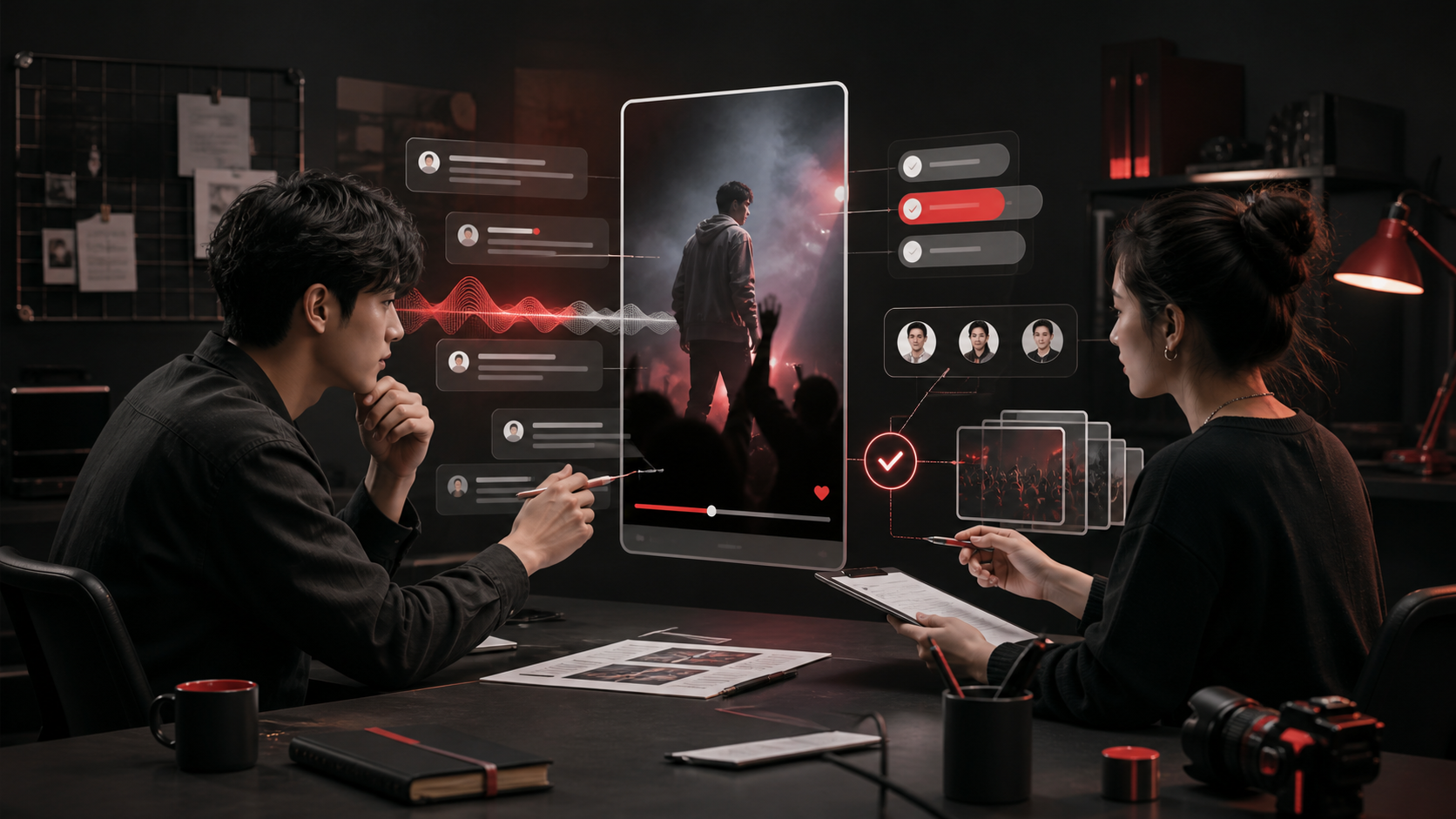
The update creates a second content surface below the video
TikTok's September 3 update turns the comment thread into more than a text response channel. Comment Polls let creators add a timed poll with up to five options under their own video. Live Photo Comments are available globally. Voice Comments, limited to accounts aged 18 and older, and Photo Carousel Comments with up to nine images are rolling out globally over the following month. The practical creator decision is to test each format as a separate workflow, not announce that every follower already has every feature.
Richer replies can help a creator discover questions, invite examples and continue a story after publishing. They also expand what must be reviewed. A voice note may contain a claim or harassment that cannot be spotted in a quick text scan. A photo carousel can expose faces, locations, copyrighted material or products unrelated to the original post. A poll can be useful for choosing the next topic, but its result can be distorted by wording, timing and who happened to see the video.
Map availability before promising a format
Create one rollout card before including a new comment format in a content plan or brand commitment. Record the creator account, market, account age eligibility, device and app version, feature observed, check time and fallback. The announcement supports a global rollout, but rollout does not mean simultaneous account-level access. A creator should verify the control in the real posting account before a script, launch calendar or paid collaboration depends on it.
Use explicit states: available and tested, announced but unavailable, restricted by account or age, and not checked. If a poll is available but voice comments are not, run the poll and keep the voice prompt as ordinary text or video. Do not borrow a screenshot from another account as evidence. The deliverable is the live interaction the creator can actually manage, not the feature described in a newsroom post.
- Feature: poll, voice, Live Photo or photo carousel.
- Account evidence: where and when the control appeared.
- Audience boundary: who can create or consume the response.
- Fallback: the simpler interaction that preserves the audience question.
Give each format one clear job
A poll works best when it resolves a bounded choice: which tutorial should come next, which product constraint needs explanation or which part of a process deserves a deeper follow-up. Voice comments are more suited to tone, stories and reactions that lose meaning when compressed into text. Photo and Live Photo replies can collect visual examples, progress or context. Combining all four in one post makes the result harder to interpret and harder to moderate.
For the first test, choose one video with an active but manageable community and one question the creator genuinely intends to use. Write the decision before publishing: for example, the leading poll option will determine the next explainer, while recurring questions will become a clarification video. Set the response window, owner and closing action. Engagement without a planned response is activity, not a workflow.
Moderate voice, images and polls as different evidence types
TikTok's comment tools allow creators to filter, report, block and delete comments, including bulk deletion of up to one hundred comments. Those controls remain relevant when a reply includes audio or several images, but the review task changes. Build a queue with the comment URL or identifier, format, visible or audible issue, required action, reviewer and disposition. Preserve only the minimum evidence needed for escalation; do not download or redistribute harmful or private material simply to prove it existed.
Set three response levels. Routine questions can receive a normal creator reply. Claims, commercial questions, identity concerns or possible rights issues should move to a named human review. Threats, harassment, doxing, sexual abuse material or other serious safety issues should follow platform reporting and local escalation procedures. Community participation does not transfer responsibility to the audience, and a creator should never encourage followers to identify, shame or coordinate against another person.
- Respond: useful question, relevant example or constructive disagreement.
- Review: product claim, disclosure question, likeness, location, copyright or ambiguous safety issue.
- Restrict and escalate: harassment, threats, doxing, exploitation or coordinated abuse.
Separate community insight from market evidence
TikTok's Comment Insights can use AI to summarize recurring topics, questions, suggestions and positive sentiment where the feature is available. It can help a creator sort a busy thread, but the Help Center notes that availability is limited and users must be at least 18. An AI summary can also hide minority concerns or merge comments that mean different things. Keep the original question and verify a sample of the underlying replies before turning a summary into a content decision.
Poll votes and comment themes are directional signals from people who encountered and chose to engage with one post. They are not a representative survey, a unique-audience count or proof that a campaign changed preference. Report the post, question, options, response window, visible vote count or theme, moderation actions and limitations. If a brand needs a market claim, sales lift or incrementality conclusion, it needs a separate research or measurement design.
Keep brand collaboration rights and disclosure outside the poll
A creator can ask which feature followers want tested next, but the poll cannot approve a product claim, usage right or commercial relationship. If a brand supplies the options, product, incentive or creative direction, record that role in the campaign file and apply the platform and market disclosure required for the post. A follower's photo or voice reply also does not become reusable campaign creative merely because it is public.
Before quoting, reposting, editing or using a comment in paid media, confirm the account, material, purpose, territory, duration, edit permission and attribution. For a safe brand handoff, deliver the original post URL, approved prompt, feature-availability proof, moderation note, aggregated insight and a separate list of any replies that require permission. Keep public community signals distinct from authorized creator or user-generated assets.
Run a seven-day creator comment experiment
Day one: verify account access and choose one audience decision. Day two: draft a neutral prompt and moderation rules. Day three: publish one poll or richer-response prompt, capture the live state and avoid changing the options mid-test. Days four and five: moderate daily, tag repeated questions and verify any AI-generated summary against source comments. Day six: close the response window and separate participation, insight and safety records. Day seven: publish or schedule the promised follow-up and document what the test did not prove.
KOLMKT's operating recommendation is to scale only when the creator can keep the thread useful without losing evidence quality or safety control. Compare response quality, moderation time, unanswered high-value questions and the percentage of findings that led to a real content action. Do not optimize for raw comment volume alone. The strongest result is a repeatable loop from audience question to creator decision to published follow-up, with a human responsible for every material exception.
- Verify the real feature before promising it.
- Ask one bounded question and define the follow-up action.
- Review each media format with the right safety and rights lens.
- Label comment findings as directional unless stronger research supports them.
Sources
Sources checked 2026-09-05. This article uses official platform material and public technical standards, interpreted through KOLMKT's creator-workflow perspective.
AI assisted research, structure and editing. Factual statements were checked against the sources listed above. Platform rules can change; verify the latest official page before acting.
KOLMKT · NEXT ACTION