
YouTube video A/B testing: a three-cut creator workflow
YouTube says video A/B testing is coming to Studio. Creators can prepare now by separating the announcement from account access and testing one meaningful edit at a time.
Read the analysis →KOLMKT INTELLIGENCE
Source-led guidance for creators and operators navigating AI tools, platform change, content evidence and commercial readiness.
LATEST INTELLIGENCE
YouTube says video A/B testing is coming to Studio. Creators can prepare now by separating the announcement from account access and testing one meaningful edit at a time.
Read the analysis →
YouTube's likeness tool can surface suspected face matches, but creators still need a human review record that separates AI impersonation, reused footage, privacy, copyright and urgent safety risks.
Read the analysis →
A strong media kit is not a polished follower-count page. It is a dated, permission-aware evidence pack that helps a brand understand fit, recent performance and the next commercial conversation.
Read the analysis →
Spotify is expanding its Partner Program to more than 35 markets, but market availability is only the first gate. Creators still need account-level eligibility, policy approval and a revenue model that reflects local ad inventory.
Read the analysis →
Threads can help a podcast episode travel, but its reach, clicks and saves are not listening results. Use a two-episode pilot to verify access, links, rights and downstream consumption before making it a standard release channel.
Read the analysis →
Meta One puts creator and business capabilities into paid tiers, but the useful decision is account-specific: verify the exact feature, owner, evidence and renewal value before subscribing.
Read the analysis →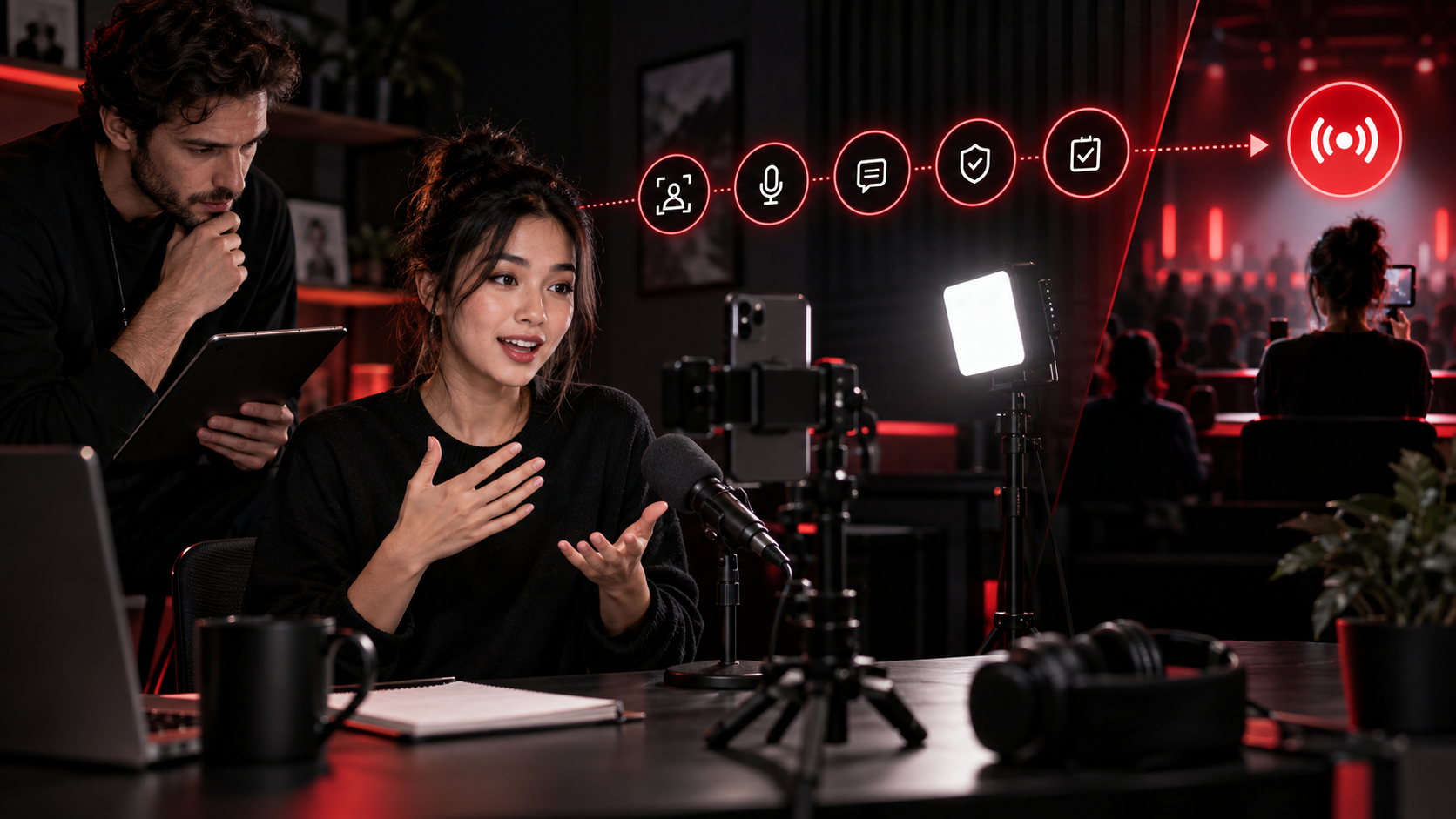
A private rehearsal is useful only when it produces a clear go-live decision. This workflow turns YouTube Live Practice Mode into a repeatable creator-operations check.
Read the analysis →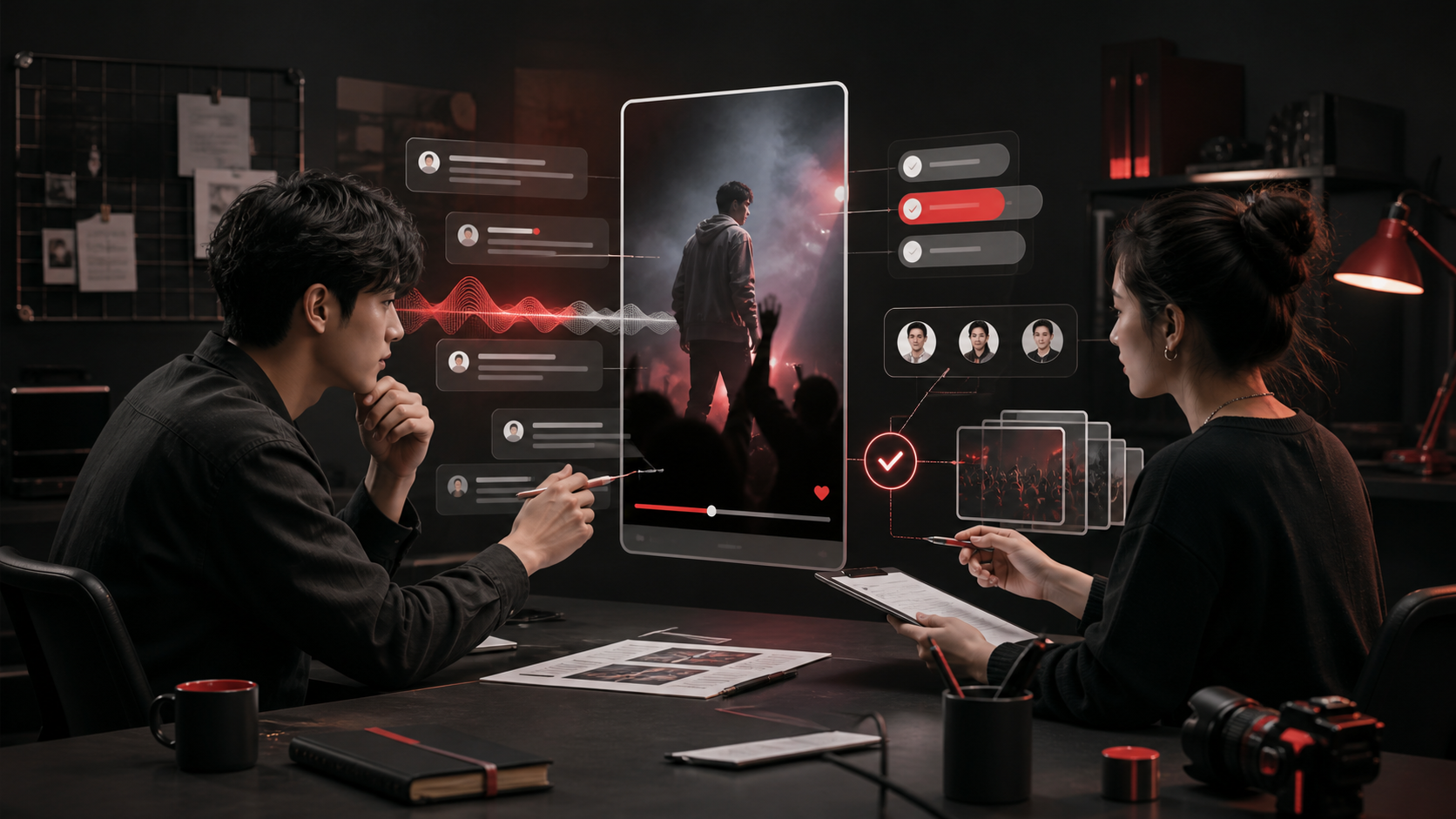
TikTok's richer comment formats can create useful audience participation, but creators need a rollout map, bounded experiment, multimodal moderation and evidence rules before treating replies as research or a brand deliverable.
Read the analysis →
Dynamic video analysis can make long-form review faster, but creators still need an upload boundary, question-led passes, timecode verification and a named human approver.
Read the analysis →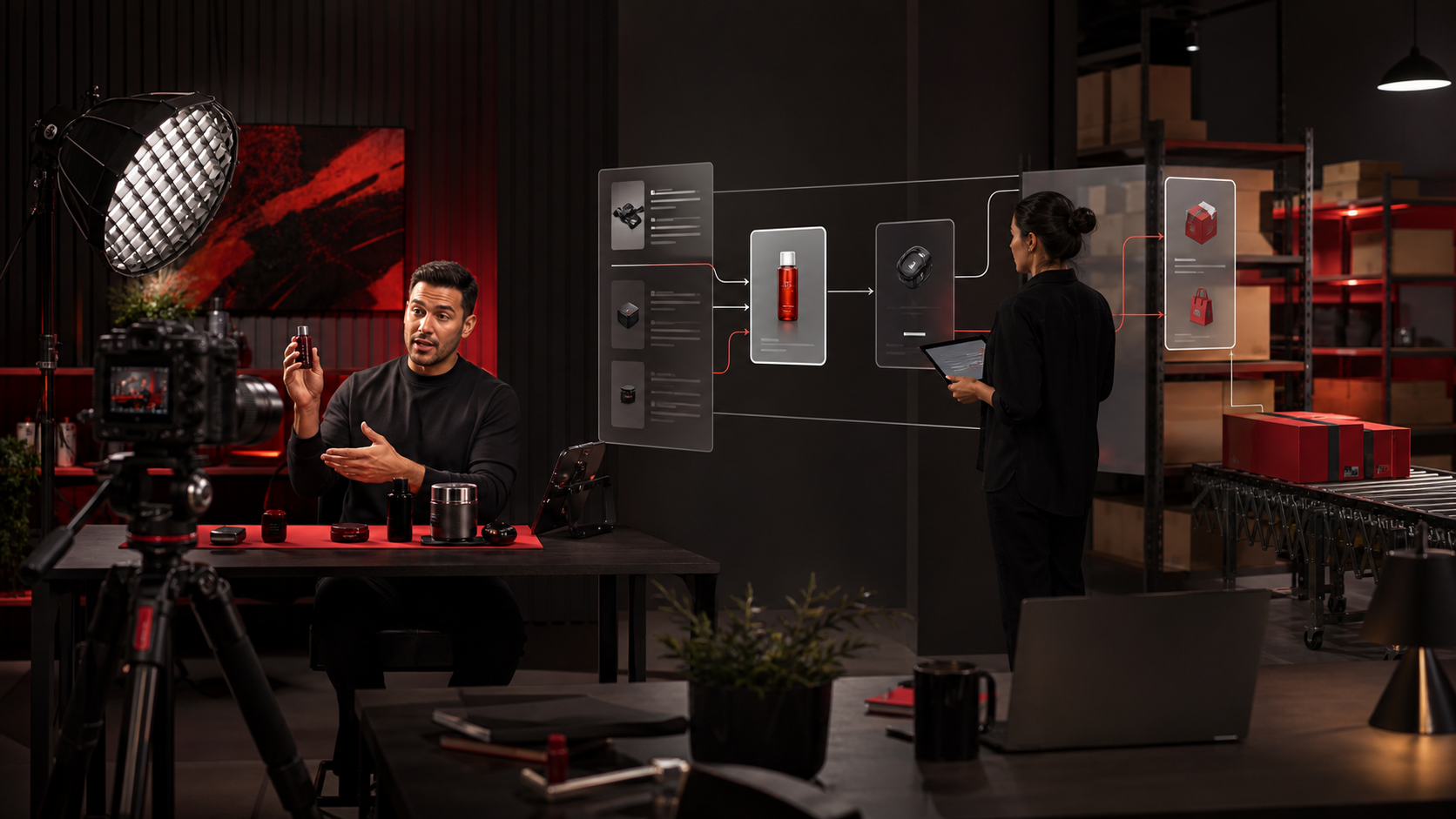
Amazon tags shorten the US path from video to product page, but market rollout, account access, tag attachment and viewer-visible placement are separate states.
Read the analysis →
The paid-license checkout is disappearing, but music rights do not become automatic. Creators need to classify the video, track terms and revenue path before editing locks the choice.
Read the analysis →
The February 2027 changes do not create one universal threshold. Existing members, new applicants, early-access creators and Shorts-led channels need different actions.
Read the analysis →
The new button can help loyal readers select an eligible creator publication as a preferred source. It cannot replace fresh reporting, a stable domain or audience trust.
Read the analysis →
A platform code can activate paid promotion, but it does not define the whole deal. Creators need one record connecting the asset, advertiser, duration, edits, data access and expiry.
Read the analysis →
A larger public view number does not automatically mean stronger attention or higher earnings. Creators now need a post-change comparison set with clearly named metrics.
Read the analysis →
Creators need more than an AI label. A reviewable workflow should preserve provenance and rights while proving the human contribution, claim sources and originality of every scaled output.
Read the analysis →READ · DECIDE · CONNECT